Signs Your Basement or Foundation Needs Waterproofing
Noticing signs your basement or foundation needs waterproofing can indicate underlying issues that local contractors are equipped to fix and prevent future damage.
Understanding the signs that your basement or foundation may need waterproofing is an important step for property owners in the area. Detecting issues early can help prevent costly repairs and protect the structural integrity of a home. Common indicators include persistent dampness, water stains on walls or floors, musty odors, or the presence of mold and mildew. Recognizing these warning signs can prompt property owners to explore waterproofing solutions offered by trusted local contractors who specialize in safeguarding basements and foundations.
For those living in the region, exploring these signs is practical because local weather patterns and soil conditions can contribute to moisture problems over time. Addressing potential waterproofing needs early can help maintain a dry, stable environment inside the home. Local service providers are equipped to assess these issues and recommend appropriate waterproofing measures, ensuring that homeowners can make informed decisions to protect their property’s foundation and overall value. Keep reading to learn more about how to identify these signs and what steps might be needed to keep a basement dry and secure.
- Basement waterproofing - is often needed when signs of moisture or water intrusion appear on basement walls or floors, and local contractors use moisture barriers and drainage systems to address these issues.
- Foundation waterproofing - becomes necessary when cracks or water stains are visible on foundation surfaces, with service providers applying sealants and waterproof coatings to prevent further damage.
- Basement waterproofing - may be required if there is persistent mold or a musty smell, and local pros typically evaluate drainage and install sump pumps to manage water entry.
- Foundation waterproofing - is recommended when basement walls bow or shift, with contractors reinforcing foundations and installing waterproof membranes to stabilize and protect the structure.
- Basement waterproofing - is needed when water leaks are noticed after heavy rains, and service providers often assess grading and install drainage solutions to divert water away from the foundation.
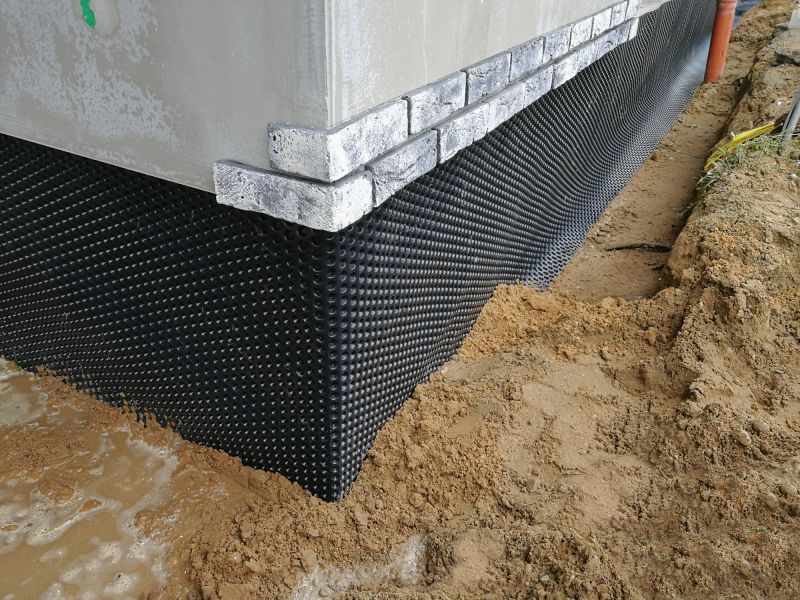
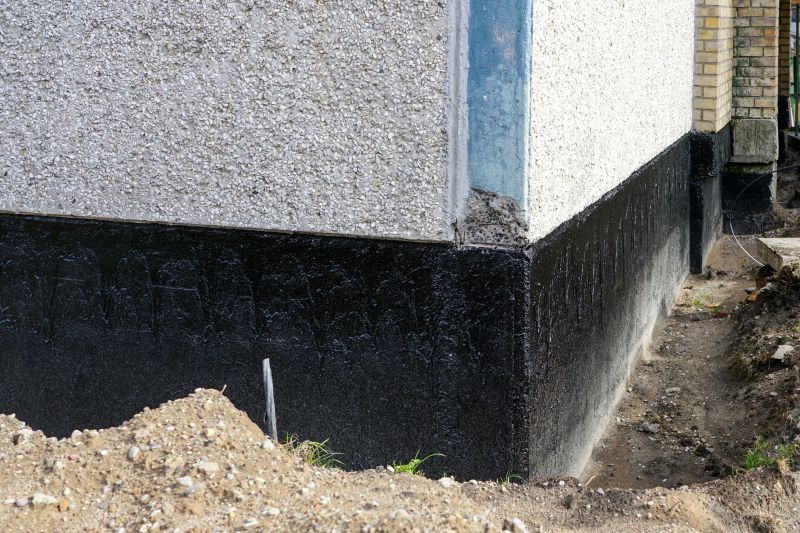
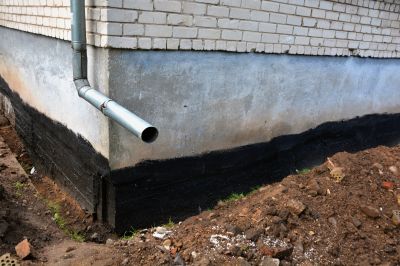
When homeowners search for signs their basement or foundation needs waterproofing, they are usually looking for clues that indicate moisture or water intrusion could become a serious problem. These signs often include visible water stains, damp or musty odors, or the presence of mold and mildew on basement walls or floors. Such indicators suggest that water is penetrating the structure, which can lead to further damage if not addressed. Recognizing these early warning signs is an important step in preventing costly repairs and maintaining the integrity of the property. Local contractors specializing in basement and foundation waterproofing can assess the situation and recommend appropriate solutions to keep the space dry and secure.
This topic is closely related to various property concerns, including structural stability, indoor air quality, and long-term durability. Water infiltration can weaken foundation walls over time, causing cracks or shifting that compromise the building’s stability. It can also create an environment conducive to mold growth, which may impact occupant health. Homeowners often consider waterproofing when planning renovations or repairs, especially if they notice signs of water damage or plan to finish a basement for additional living space. Understanding the connection between these issues helps property owners prioritize waterproofing as a preventative measure rather than a reactive fix, and local service providers play a key role in delivering tailored solutions.
The types of properties that frequently encounter these signs are primarily residential homes, including single-family houses, townhomes, and multi-family buildings with basements or crawl spaces. Older homes are often more susceptible due to aging materials and less advanced drainage systems. Newer constructions may also experience issues if waterproofing was not properly installed or if drainage systems become clogged or damaged. Commercial properties with below-grade levels or underground spaces can face similar challenges, especially in areas with high water tables or heavy rainfall. Whether dealing with a basement, crawl space, or underground parking, property owners should be aware that signs of water intrusion are common across various property types and require professional assessment and intervention.
Local contractors specializing in basement and foundation waterproofing are equipped to handle these issues across different property types. They evaluate the specific conditions of each site, including soil composition, drainage patterns, and existing waterproofing measures, to determine the most effective solutions. These professionals can install or repair waterproofing membranes, improve drainage around the foundation, and seal cracks that allow water entry. Engaging with experienced service providers ensures that the waterproofing work is tailored to the property’s needs, helping to prevent future damage and preserve the structure’s value. Recognizing the signs early and working with local pros can make a significant difference in maintaining a dry, stable, and healthy home or building.
Interior waterproofing projects - these involve sealing basement walls and floors to prevent moisture intrusion, utilizing skills similar to identifying signs your basement or foundation needs waterproofing.
Drainage system installation - installing interior or exterior drainage solutions requires planning and tools comparable to those used in waterproofing foundations to manage water flow effectively.
Crack repair and sealing - fixing foundation cracks involves assessing structural issues and applying sealing techniques akin to those used in waterproofing to prevent water damage.
Basement wall insulation - insulating basement walls to control moisture levels shares planning and installation skills with waterproofing projects for damp-proofing basements.
Waterproofing membrane application - applying membranes to foundation walls involves surface preparation and sealing methods similar to those used in waterproofing services for basements.
Foundation repair and stabilization - addressing foundation issues often requires understanding structural integrity, which complements the skills needed for waterproofing and moisture prevention projects.
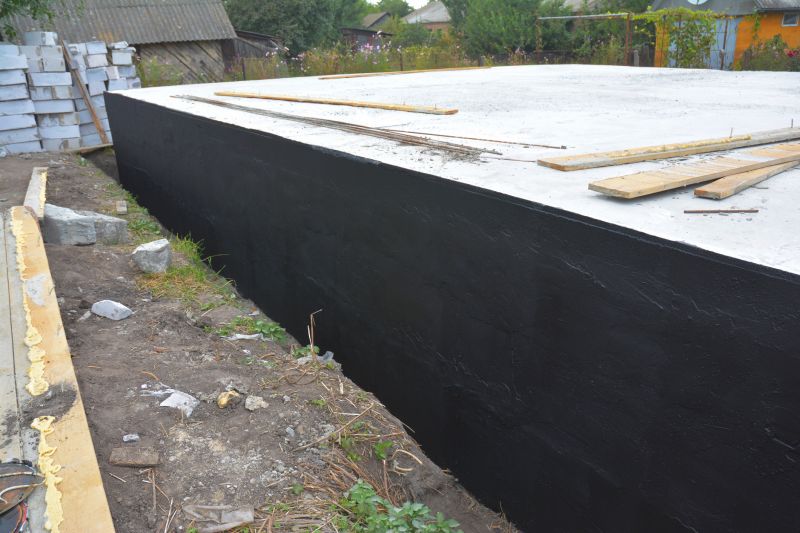
When evaluating basement or foundation waterproofing services, it is important to consider the experience of local contractors with similar projects. Homeowners should look for service providers who have a track record of successfully handling waterproofing issues in homes with comparable foundation types or basement conditions. Asking for references or examples of past work can provide insight into their expertise and help determine if they have the practical knowledge needed to address specific signs your basement or foundation needs waterproofing effectively.
Clear written expectations are essential when comparing local pros, as they help ensure that both parties understand the scope and details of the project. Homeowners should seek service providers who can provide detailed descriptions of the recommended waterproofing methods, materials to be used, and the steps involved in the process. This clarity helps prevent misunderstandings and ensures that the homeowner knows what to expect, which is especially important when dealing with issues like persistent dampness, mold, or cracks that may signal underlying waterproofing needs.
Reputable references and good communication are key indicators of a reliable service provider. Homeowners should look for local contractors who are transparent about their work history and willing to share references from previous clients. Effective communication throughout the process allows for questions to be addressed promptly and concerns to be managed efficiently. This level of responsiveness and professionalism can make a significant difference in the overall experience, helping homeowners feel confident that the chosen service provider is capable of accurately diagnosing signs your basement or foundation needs waterproofing and executing the necessary repairs properly.
Property owners often search for signs your basement or foundation needs waterproofing when they are planning practical projects around their homes and businesses. Local pros provide Basement or Foundation Waterproofing services for everyday jobs and straightforward project options.
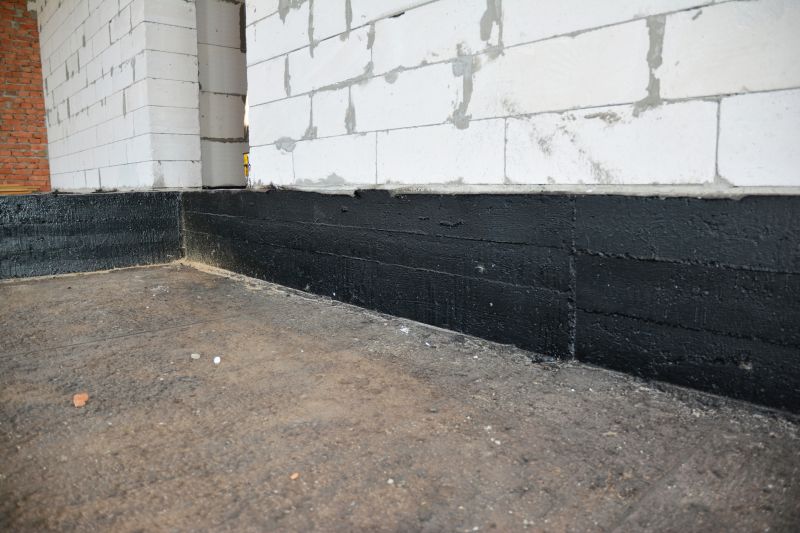
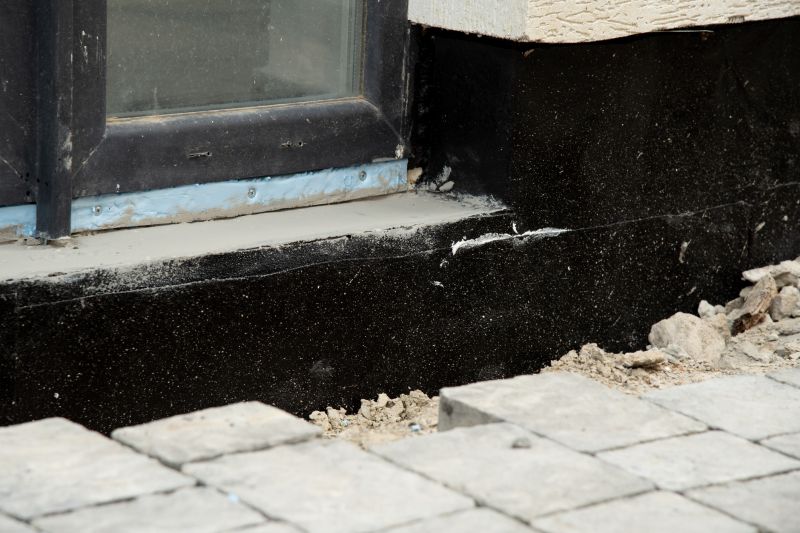
Many property owners in the area notice signs that suggest their basement or foundation may need waterproofing, especially after heavy rain or seasonal changes. Common indicators include persistent dampness or a musty smell in the lower levels, which can be caused by moisture seeping through cracks or porous walls. Additionally, visible water stains, efflorescence (white mineral deposits), or peeling paint on basement walls often prompt homeowners to explore waterproofing solutions. Recognizing these signs early can help prevent more serious issues like structural damage or mold growth, leading many to consider consulting local contractors who specialize in waterproofing services.
Other warning signs that point to potential foundation concerns include cracks in basement walls or floors, uneven or sinking floors, and increased humidity levels within the home. These issues may develop gradually but can become more noticeable over time, especially during periods of heavy rainfall or rapid temperature shifts. Property owners noticing water pooling around the foundation or discovering small leaks may find it beneficial to reach out to local service providers experienced in waterproofing. Addressing these signs promptly with professional help can protect the home’s integrity and ensure a healthier living environment.
What are common signs that a basement or foundation may need waterproofing? Visible water stains, dampness, or mold growth on basement walls and floors can indicate the need for waterproofing services from local contractors.
How can I tell if my basement has high humidity or moisture issues? Persistent musty odors, condensation on windows or walls, and peeling paint are signs that a basement may require waterproofing from nearby service providers.
What does cracking or bulging in basement walls suggest about waterproofing needs? Cracks or bulges can signal water pressure problems, and local contractors can assess whether waterproofing or foundation repairs are necessary.
Are there specific signs that indicate foundation problems related to water intrusion? Uneven floors, sticking doors or windows, and visible cracks in the foundation are signs that waterproofing services might be needed to prevent further damage.
When should I consider contacting a professional about basement or foundation waterproofing? If you notice signs like water leaks, dampness, or structural cracks, reaching out to local service providers can help address potential waterproofing needs promptly.
Visible water stains or damp spots - noticing persistent dampness or water marks on basement walls can prompt property owners to seek waterproofing services from local contractors.
Musty odors or mold growth - detecting unpleasant smells or mold in the basement area may indicate moisture issues that require professional waterproofing solutions.
Cracks in foundation walls or floors - observing new or expanding cracks can signal foundation movement or water intrusion, making waterproofing from local service providers essential.
Efflorescence or white powder deposits - seeing mineral deposits on basement surfaces suggests water seepage, which local contractors can address through waterproofing measures.
If you are thinking about signs your basement or foundation needs waterproofing for a property, this guide is meant to help you understand this topic, the typical project types, and how different options might fit your plans.
When you are ready, you can use the quote form on this page to share a few details about your project. From there, local pros can review the basics and follow up with options that match what you have in mind.